
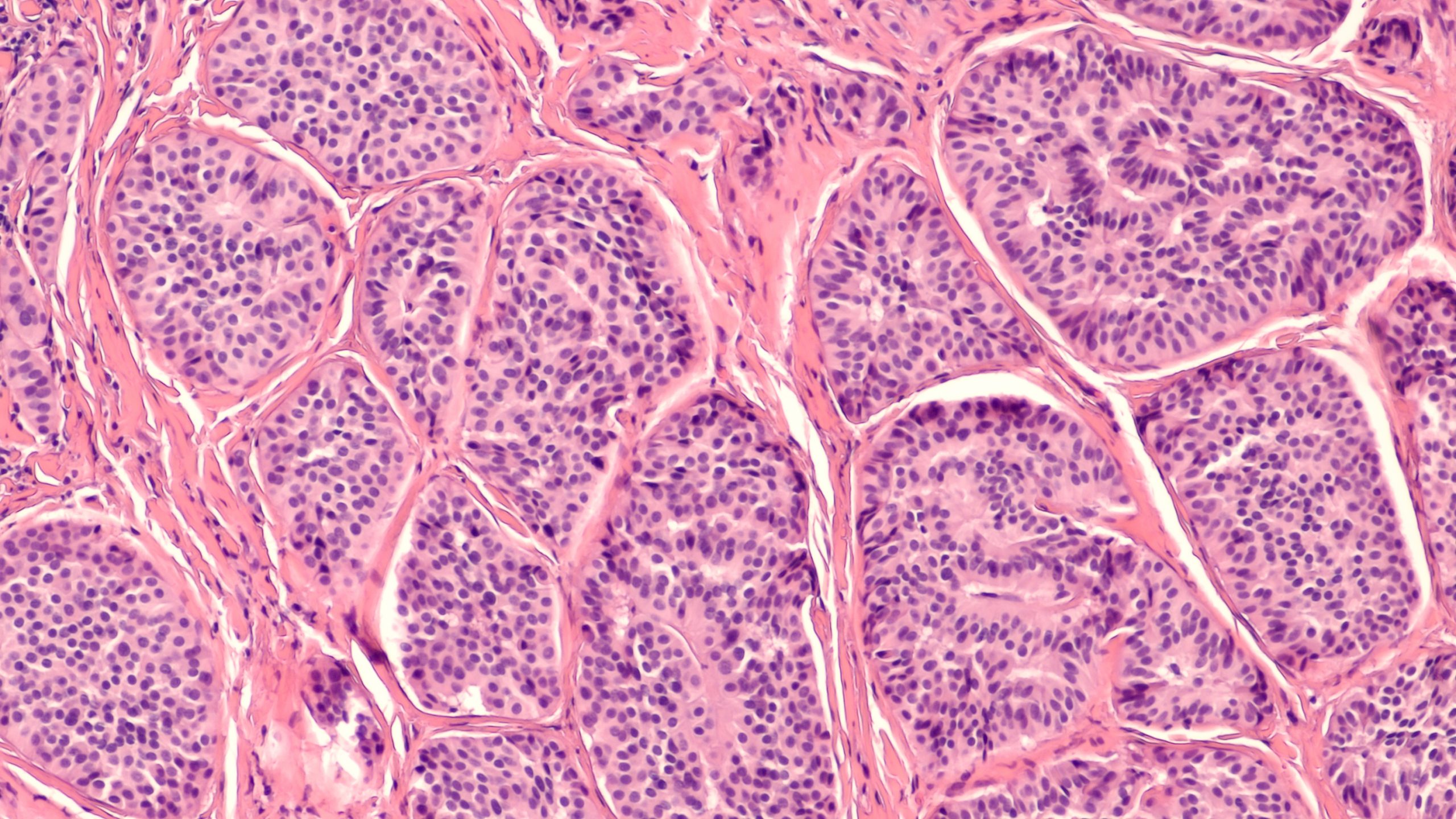
A recent study revealed that the use of capecitabine along with temozolomide (CAPTEM) therapy was extremely safe in neuroendocrine tumours. This therapy was highly effective in well-differentiated pancreatic neuroendocrine tumours.
Also, gender-based dosing should be considered as the risk of grade 4 cytopenias is considerably increased in females. The incidences of myelodysplastic syndromes were only in patients (3 patients) who had earlier received peptide receptor radiotherapy (PRRT), a recognised risk factor. Only 1 case had Pneumocystis pneumonia (PCP).
This retrospective study assessed rare toxicities and risk factors linked with capecitabine plus temozolomide (CAPTEM) treatment for pancreatic as compared to non-pancreatic neuroendocrine tumours (NETs). A total of 462 eligible patients with advanced NETs who took the CAPTEM therapy were included.
The disease control rate and objective response rate were found to be 46% and 81%, correspondingly. Median progression-free survival (PFS) and median overall survivals were 18 months and 51 months, respectively: 62 months in well-differentiated compared to 14 months in poorly differentiated NETs (P<.0001). The highest partial response rates and longest median PFS were prevalent in patients with primary pancreatic tumours. Occurrences of neutropenia and grade 4 thrombocytopenia were 3% and 7%, respectively, and considerably higher in females as compared to males.
No acute treatment-related deaths occurred, although 1 patient succumbed to death following a thrombocytopenic bleed after 2 months.
| Source: | Journal of the National Comprehensive Cancer Network: JNCCN |
| Link: | https://pubmed.ncbi.nlm.nih.gov/34433130/ |
| Original title of the article: | Efficacy and Toxicity Analysis of Capecitabine and Temozolomide in Neuroendocrine Neoplasms |
Leave a Reply